
Folders |
Athlete-Activist Russell Dinkins Framing The Argument To Save Men's College Track TeamsPublished by
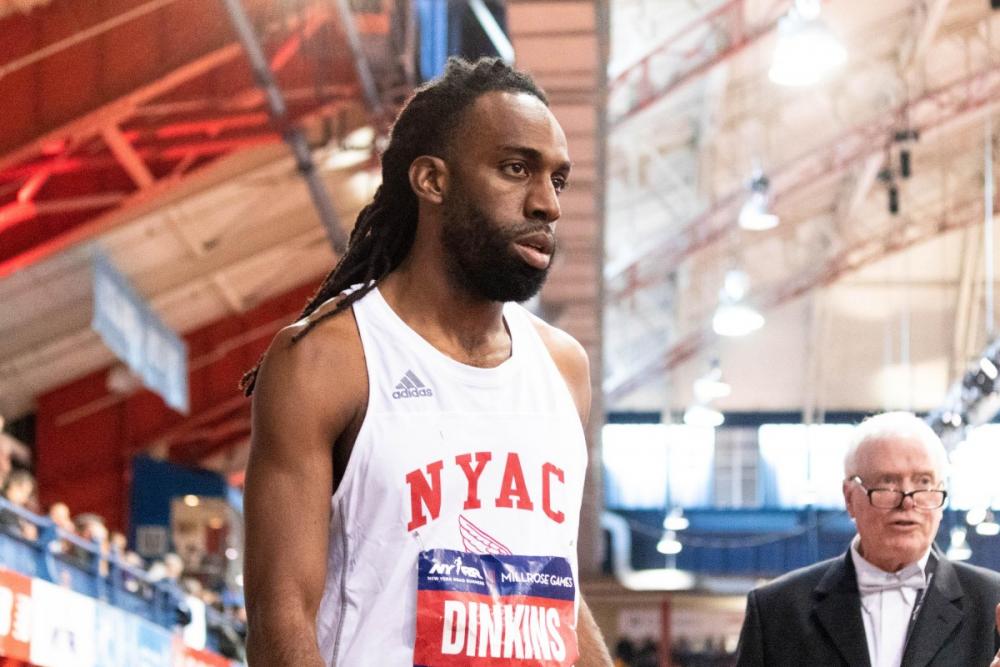
Former Princeton Star Uses Power Of Persuasive Writing To Stave Off Cuts To Men's Track At Brown, William & Mary And Minnesota By Theresa Juva Brown for DyeStat When Russell Dinkins learned about Brown University’s plan last spring to cut the men’s varsity cross country and track programs, he immediately texted a friend and former Brown runner to offer his help. “It was important for me to be involved because I saw myself in the opportunities that Brown was taking away,” said Dinkins, a former middle-distance runner for Princeton University who works as a diversity and education consultant and hosts virtual workshops on combatting anti-Black racism in daily life. Dinkins also worried that such a drastic cut would open the door for other Ivy League schools and colleges and universities in the NCAA to do the same. “I could not stand by and let that happen,” he said. In an overhaul of the athletic department that Brown leaders said would make the school more competitive in the Ivy League, nine teams, including the men’s cross country and track programs, would be demoted to club sports, while men’s and women’s sailing would gain varsity status. Lending his voice to Save Brown Track — a movement created by Brown alumni that quickly gained traction on social media — Dinkins argued that reinstating the men’s programs was a matter of racial justice, which has been at the heart of nationwide demonstrations in recent months. In a pointed essay for Medium titled, “Brown University, If You Were Actually Serious About Racial Justice You Would Not Be Cutting the Men’s Track Team,” Dinkins noted that Brown’s track team has more Black men than the school’s lacrosse, baseball, ice hockey and crew teams combined. For many young Black men, running — a sport that’s accessible and inexpensive for high school students — is sometimes their only way into elite universities. "Brown should be finding more opportunities for Black men to go to Brown, not fewer,” he wrote. Prompted by growing outcry and media attention led by Dinkins, Brown officials reinstated the men’s cross country and track teams, just weeks after the cuts were announced. Dinkins was convinced the university would eventually reverse its decision, but was surprised it happened so quickly. “I felt deep down that if we kept the pressure heavy, that the university would have to respond in some way,” he said. As it would turn out, Dinkins’ work was just getting started. Soon after, the University of Minnesota and The College of William & Mary announced sweeping cuts to athletics to cope with pandemic-era financial losses, including axing their men’s track programs. Once again, Dinkins stood up to defend track athletes. In another scathing piece — this time targeting the University of Minnesota — Dinkins noted that the school spends about $6,000 per male track athlete, but shells out $130,000 per baseball player. “The University of Minnesota will continue to comfortably subsidize the education of their mostly white baseball and golf teams, but can’t summon the institutional muster to do so for its diverse track team, one of its few sports that has a large Black student population,” he wrote in a Star Tribune column.
Just before the University of Minnesota Board of Regents was set to vote on the proposed cuts, Minnesota reinstated men’s outdoor track, but not indoor. “Russell Dinkins’ insights were very, very pivotal to us retaining the outdoor team,” said John Simons, a lead organizer for Save Gopher Track and Field, adding that the fight isn’t over until indoor is also reinstated. “Russell has been an amazing person through all this.” In addition to publishing essays, Dinkins has helped Minnesota and William and Mary organizers form compelling messages for their movements and mobilize supporters. "He’s been very valuable for our programs, and he will continue to be valuable to everyone," Simons said. “He’s also just one guy. People need to pitch in.” Now more than ever, running and college communities need to come together for a greater goal. "At the end of the day, it's not about my alma mater or yours, it's about protecting the pathways to an educational opportunity that track and field affords," Dinkins said.
More news |